 USD
 EUR
 GBP
 CAD
 CNY
 SAR
 SGD
 NZD
 ARS
 INR
 COP
 AED


DK HAIR
Why Do Human Hair Wigs Get Static and Tangle in Winter? Causes & Solutions
Understand winter static and tangles, then care for your wig gently
Winter can be challenging for human hair wig wearers. You may notice your wig becoming frizzy, developing static, or getting tangled more easily than usual. Sometimes, the hair even sticks to your clothes or becomes difficult to brush, especially around the nape of the neck.
These problems are common during colder months, but why do they happen? And more importantly, how can you keep your human hair wig smooth, soft, and manageable throughout winter?
In this guide, we'll explain what causes static and tangling in human hair wigs, why these problems can become worse in winter, and what you can do to prevent and fix them.
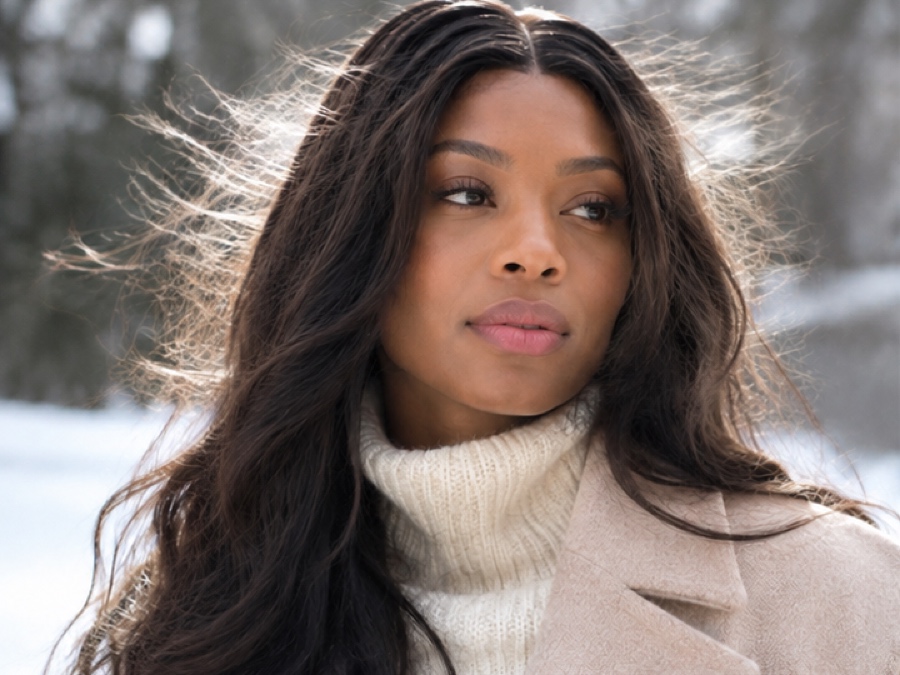
1. Why Do Human Hair Wigs Get Static in Winter?
If your human hair wig seems to develop more static during winter, the main reason is usually the combination of low humidity and friction.
Unlike summer, winter often brings dry outdoor air and heated indoor environments. These conditions can make hair feel drier and allow static charges to build up more easily.
Here are the main reasons.
1.1 Low Humidity and Dry Winter Air
Humidity plays an important role in static electricity.
During winter, cold outdoor air and indoor heating can reduce the moisture in the surrounding environment. When the air is dry, static charges can remain on hair instead of dissipating easily.
This can cause your wig to:
- Fly away or stand out in different directions.
- Stick to your face, neck, or clothing.
- Become harder to style and manage.
- Develop more noticeable frizz.
This is why static is often more noticeable when you wear a wig indoors with the heating on or spend time in cold, dry weather.
1.2 Friction from Hats, Scarves, and Clothing
Friction is another major contributor to static electricity.
During winter, you may wear more hats, scarves, sweaters, and coats. These materials can repeatedly rub against your wig throughout the day.
Materials such as polyester, nylon, and wool can contribute to static buildup when they come into contact with hair.
Long wigs are particularly exposed to this problem because the ends frequently rub against collars, scarves, and outerwear.
1.3 Dry Hair and Hair Condition
Hair condition also affects how manageable your wig feels.
When hair becomes dry, rough, or damaged, the strands may experience more friction against one another. This can make flyaways and frizz more noticeable.
Although static can happen to any human hair wig, keeping the hair properly conditioned can help reduce friction and improve manageability.
2. Why Do Human Hair Wigs Tangle More in Winter?
Static electricity can make hair more difficult to manage, but it is not the only reason human hair wigs tangle.
In most cases, winter tangling is related to a combination of dryness, friction, hair condition, and daily wearing habits.
| Problem | What you notice | First step |
|---|---|---|
| Static / flyaways | Strands lift, spread out or cling to clothing. | Reduce friction and use a light conditioning product. |
| Tangles | Strands intertwine into knots, often at the nape or ends. | Work in small sections, gently loosening knots from the ends upward. |
| Matting | Dense, tightly packed knots that resist gentle detangling. | Avoid pulling; seek professional wig care if needed. |
2.1 Static Electricity and Flyaway Hair
Static causes individual hair strands to carry electrical charges. Depending on their charges, strands may attract or repel one another.
This can make the hair spread out, fly away, and become harder to keep in place.
When loose strands move around and repeatedly come into contact with each other or clothing, they may become intertwined.
However, static itself does not directly create severe knots. It is more accurate to say that static makes hair harder to manage and can contribute to tangling when combined with friction.
2.2 Dryness and Increased Friction
Dry hair often feels rougher and less smooth.
When strands rub against each other, they can become intertwined more easily, especially when the hair is already dry or damaged.
The ends of a human hair wig deserve particular attention. Unlike your natural hair, wig hair does not receive continuous natural oils from the scalp.
As a result, the lengths and ends need regular conditioning to maintain softness and reduce friction.
2.3 Friction During Daily Wear
Your wig is exposed to friction throughout the day, even when you are not styling it.
Common sources include:
- Scarves rubbing against the back of your wig.
- Coat collars and sweaters rubbing against the hair.
- Hair rubbing against your shoulders and back.
- Friction between your hair and pillowcase while sleeping.
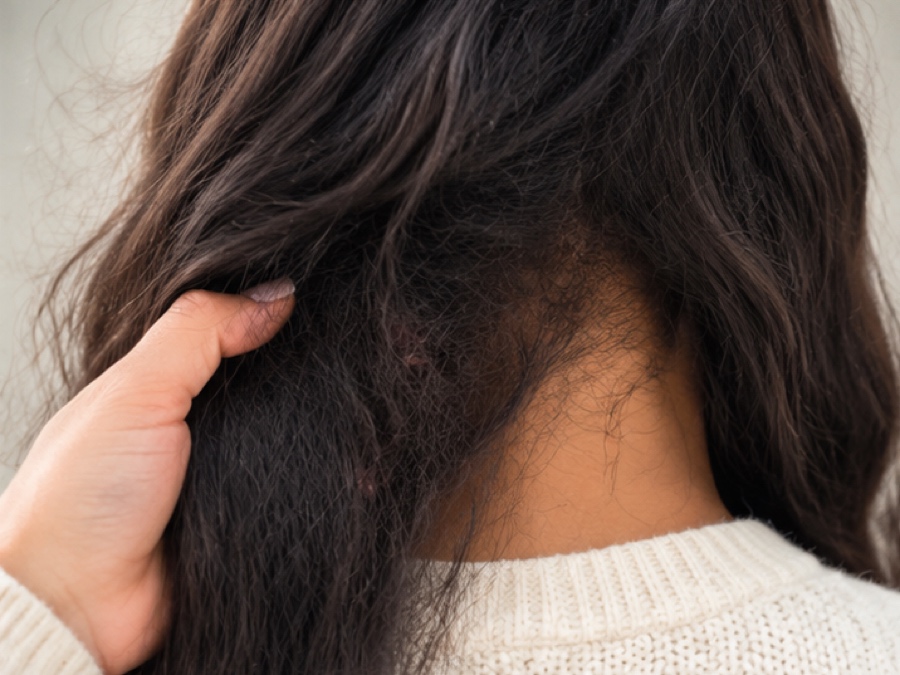
One area that deserves special attention is the nape of the wig.
The hair around the nape frequently rubs against clothing and the neck. This repeated friction can cause strands to intertwine and form knots, especially in longer wigs.
2.4 Hair Length, Texture, and Condition
Some wig styles require more maintenance than others.
- Long wigs: More hair comes into contact with clothing and surrounding surfaces, increasing opportunities for friction.
- Body Wave and Curly wigs: Their natural texture means strands can intertwine more easily, particularly when the hair is dry.
- Damaged or overly dry hair: Rougher strands may catch on one another and become harder to detangle.
This does not mean that straight hair never tangles or that curly hair is necessarily lower quality. Hair texture, condition, length, and care habits all play a role.
3. How to Prevent Static and Tangles in Human Hair Wigs
The good news is that a few simple changes to your winter hair care routine can make a noticeable difference.
3.1 Keep Your Wig Moisturized
Conditioning is one of the most important parts of human hair wig care.
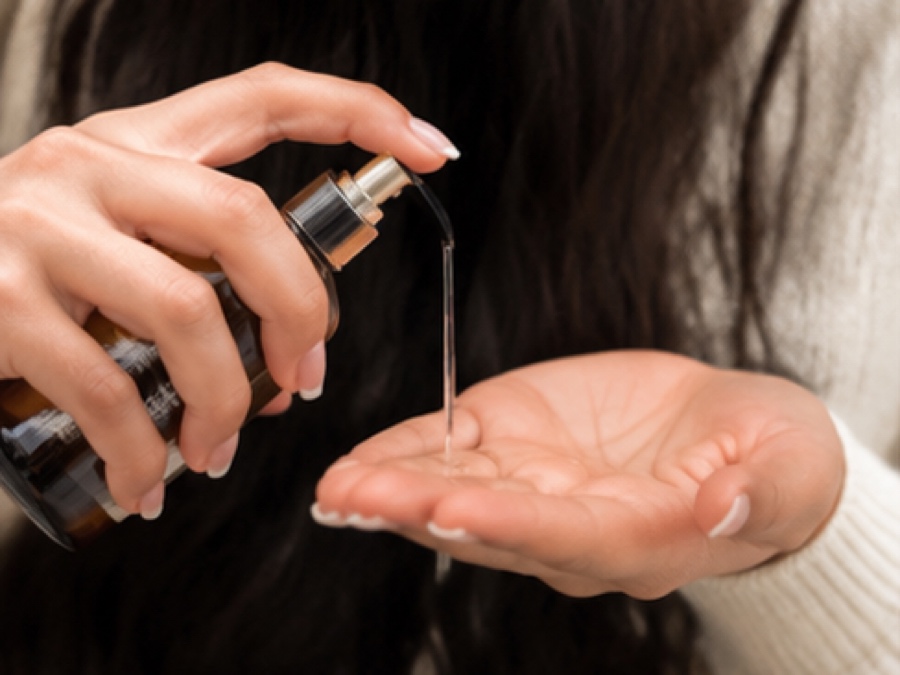
Use a suitable conditioner after washing and consider applying a lightweight leave-in conditioner or a small amount of hair serum to the mid-lengths and ends.
These products can help improve softness, reduce friction, and make the hair easier to manage.
Avoid applying excessive amounts, as product buildup can make the hair feel heavy or greasy.
3.2 Detangle Your Wig the Right Way
Regular, gentle detangling helps prevent small knots from becoming larger tangles.
Follow these steps:
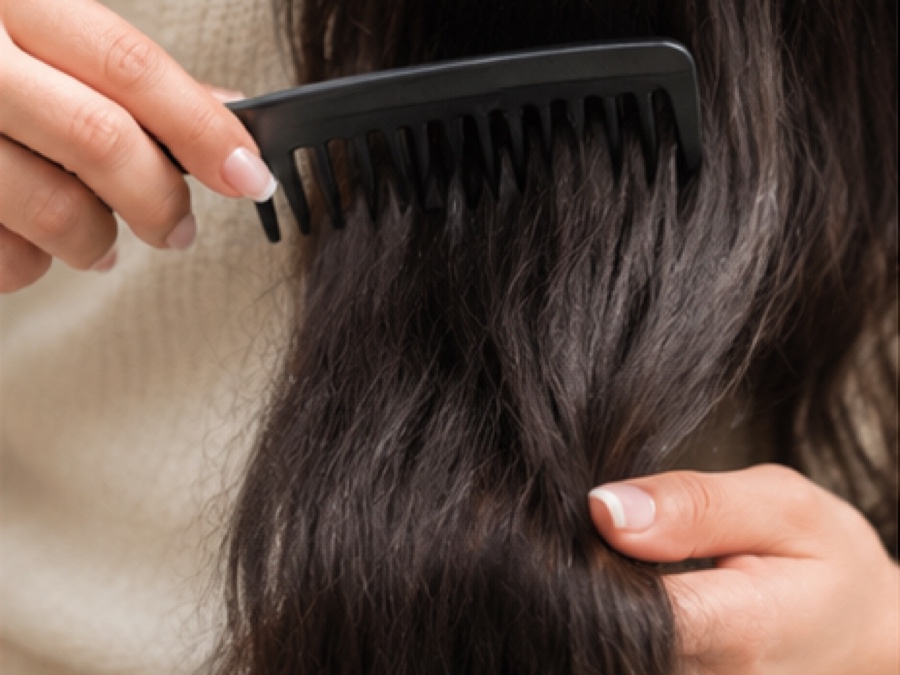
- Divide the hair into manageable sections.
- Hold the hair above the area you are brushing to reduce pulling.
- Start at the ends and gently work your way upward.
- Use a wide-tooth comb or a suitable wig brush.
- Never force the comb through stubborn knots.
For curly and highly textured wigs, use your fingers or a wide-tooth comb and follow the appropriate care routine for that texture.
3.3 Reduce Friction from Clothing and Bedding
Small changes in your daily habits can help protect your wig.
- Choose scarves and hats with smoother linings.
- Avoid letting long hair become trapped underneath coat collars.
- Consider silk or satin pillowcases to reduce friction while sleeping.
- Gently move your hair out from under clothing when putting on or removing coats.
Pay extra attention to the nape area, as this is often where friction-related tangling starts.
3.4 Maintain Proper Indoor Humidity
Indoor heating can make winter air particularly dry.
Using a humidifier can help maintain a more comfortable indoor humidity level. A relative humidity of around 40%–50% is a reasonable target for many indoor environments.
A more comfortable environment can help reduce the conditions that contribute to static buildup.
3.5 Avoid Excessive Washing and Heat Styling
Frequent washing and excessive heat styling can make hair drier and more difficult to manage.
To protect your wig:
- Wash it when needed rather than following an unnecessarily frequent schedule.
- Use a gentle shampoo suitable for human hair wigs.
- Apply conditioner after washing.
- Limit excessive heat from blow dryers, curling irons, and flat irons.
- Always use a heat protectant when applying heat.
4. How to Fix Static and Tangled Human Hair Wigs
What if your wig is already full of static or has developed knots?
Don't panic. With the right approach, you can often improve the condition of the hair without pulling or damaging it.
4.1 How to Get Rid of Static in a Human Hair Wig
If your wig keeps flying away or sticking to your clothes, try these steps:
- Lightly mist the hair with water or a suitable wig conditioning spray.
- Apply a small amount of leave-in conditioner or lightweight hair serum to the lengths and ends.
- Gently smooth the hair with your hands.
- Avoid excessive brushing or rubbing.
- Reduce friction from synthetic clothing and accessories.
If you wear a wig regularly, keeping a small bottle of suitable conditioning spray nearby can be helpful during winter.
4.2 How to Detangle a Human Hair Wig Without Damaging It
If your wig has developed knots, patience is essential.
Step 1: Separate the tangled area.
Identify where the knots are and divide the hair into smaller sections.
Step 2: Apply a suitable detangling product.
Use a wig-friendly leave-in conditioner or detangling spray. Lightly misting the hair can also help, depending on the product and hair texture.
Step 3: Start at the ends.
Use your fingers to gently loosen the knots. Then use a wide-tooth comb, working from the ends toward the roots.
Step 4: Work slowly.
Never pull or force the comb through a knot. If the hair resists, stop and gently loosen the strands with your fingers.
Step 5: Finish with light conditioning.
Once the tangles are removed, apply a small amount of suitable conditioning product to help keep the hair smooth.
4.3 What to Do When Your Wig Becomes Severely Tangled
If your wig has developed large or tightly packed knots, avoid trying to brush through them immediately.
Instead:
- Separate the affected area as much as possible.
- Apply a suitable detangling conditioner.
- Allow the product to soften the hair according to its instructions.
- Gently loosen the knots with your fingers, working in small sections.
- Use a wide-tooth comb only after the strands begin to separate.
If the hair is severely matted, professional wig care may be the safest option.
Remember: pulling aggressively can cause unnecessary shedding and damage.
5. Frequently Asked Questions About Human Hair Wig Static and Tangling
1. Do human hair wigs get static in winter?
Yes. Human hair wigs can develop static during winter because of low humidity, indoor heating, and friction from clothing and accessories. Proper conditioning and reducing friction can help manage the problem.
2. Does static electricity cause human hair wigs to tangle?
Static can make hair fly away and become harder to manage, which may contribute to tangling. However, dryness, friction, hair condition, and daily wearing habits are usually more significant factors in knot formation.
3. Why does my wig get tangled at the nape?
The nape is one of the areas most exposed to friction. Hair constantly rubs against your neck, clothing, scarves, and coat collars. Long wigs are especially prone to tangling in this area.
4. How do I stop my wig from getting static?
Use a lightweight leave-in conditioner or hair serum, avoid excessive friction, choose smoother clothing linings, and maintain comfortable indoor humidity. Avoid using too much product, as buildup can affect the hair's appearance.
5. Can I use leave-in conditioner on a human hair wig?
Yes. A lightweight leave-in conditioner formulated for human hair can help improve softness and reduce friction. Apply a small amount mainly to the mid-lengths and ends, and avoid excessive product around the lace and knots.
6. Do Raw Hair wigs get static in winter?
Yes. Raw Hair wigs can also develop static in dry winter conditions. Raw Hair refers to the hair's origin and processing characteristics; it does not mean the hair is immune to static electricity or tangling. Proper care is important regardless of hair type.
7. Why does my human hair wig tangle after washing?
Tangles after washing can result from friction, rough handling, insufficient conditioning, or improper drying. Gently detangle before washing, avoid rubbing or twisting the hair, apply conditioner, and carefully detangle again when appropriate for the hair texture.
Conclusion: Keep Your Human Hair Wig Smooth All Winter

Winter static and tangling are common challenges for human hair wig wearers, but they don't have to ruin your hair experience.
Low humidity, dry hair, friction from clothing, and daily wearing habits can all contribute to these problems. The key is to keep your wig properly conditioned, detangle it gently, and reduce unnecessary friction.
Whether you wear a Raw Hair wig, a Virgin Hair wig, or a textured human hair wig, consistent care can help maintain its softness, natural movement, and beautiful appearance throughout the colder months.
DK HAIR
Discuss Your Human Hair Needs with DK HAIR
DK HAIR offers Raw Hair, Virgin Hair wigs, bundles, closures, frontals and customized human hair solutions for hairstylists, salons and hair businesses.
Contact Alice, Tina or Phyllis on WhatsApp to discuss product options, wholesale requirements or care questions about a DK HAIR product. Share the hair type and the details you would like our team to confirm.


